Reflections · A new Enlightenment
Who gets to shape what we know?
Who shapes our judgment when platforms curate what we see and rival powers contest what we can share?
Read Reflections ↗Jochen Werne · Executive & expedition leader
Who shapes our judgment when platforms curate what we see and rival powers contest what we can share?
By Jochen Werne
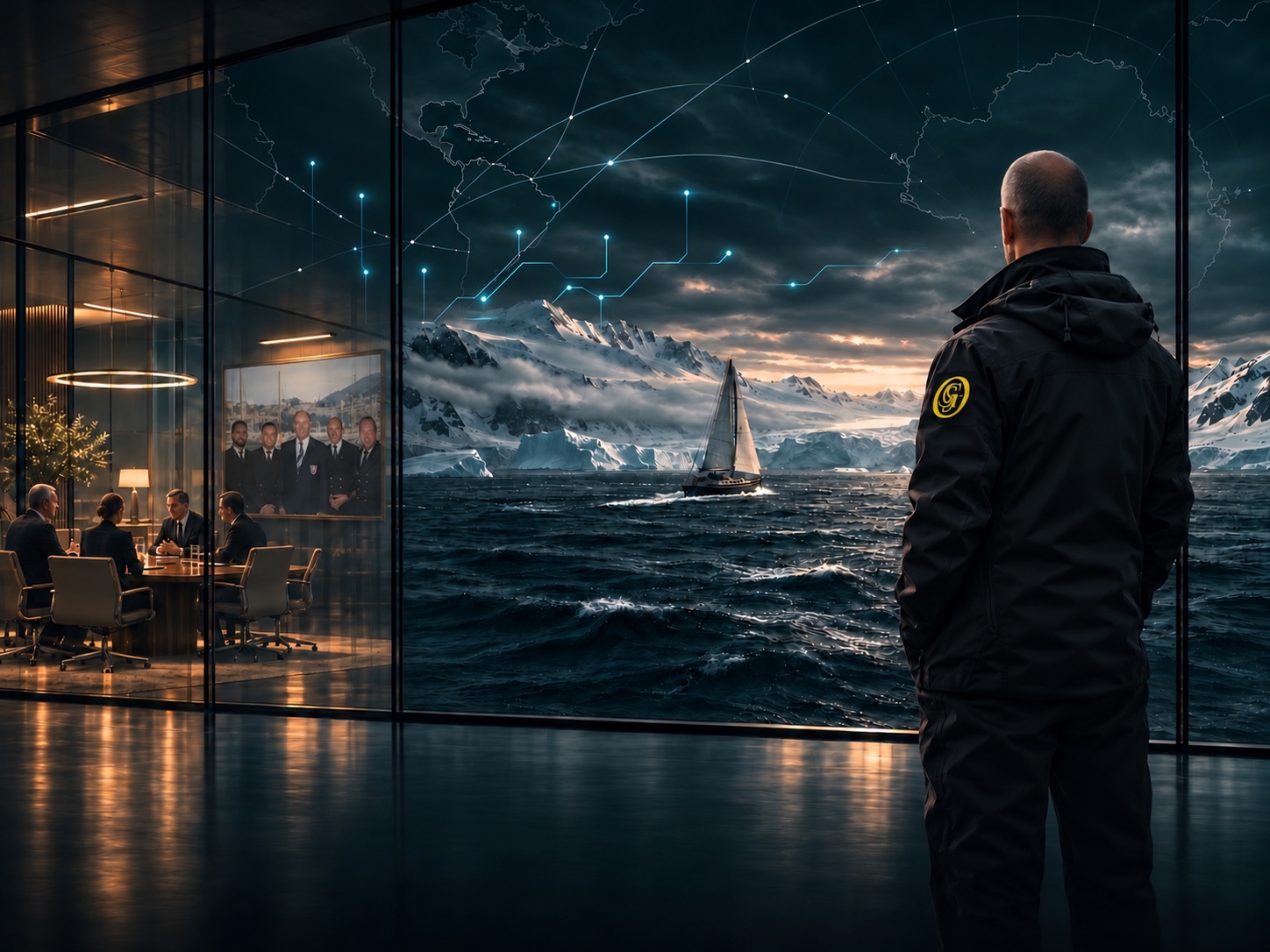
The printing press, social media and AI each extend what people can do. They also change whose claims reach us and how readily we accept them. What would it mean to practise Kant’s Enlightenment today?
Read the case for a new Enlightenment ↗Thought leadership
Reflections · A new Enlightenment
Who shapes our judgment when platforms curate what we see and rival powers contest what we can share?
Read Reflections ↗Cyber resilience · Security Insider
AI agents can use tools and act on our behalf. What should leaders let them touch, and who can stop them?
Read the perspective ↗AI governance · Essay
Who checks the evidence, who can challenge a decision and who remains accountable when AI scales it?
Read the overview ↗Business & Innovation
We live in a remarkable moment for business. AI invites us to reconsider almost every process, from how a company serves customers to how it develops products and decides where to invest. The advantage will go to companies that can learn fast enough to redesign how they work.
That takes a change across the whole company. Give people time to learn, room to experiment and the confidence to question a result that looks plausible. Ask the teams closest to the work what slows them down, where judgment matters and what customers would experience as a real improvement.
Consider a fraud system that catches more suspicious activity and also turns away more legitimate customers. The people reviewing those cases can help define the test. Compare both outcomes with the existing process, then give someone the authority to adjust it. That is how curiosity becomes a commercial capability.
I believe technological progress should improve the decisions businesses make and the services people rely on. Leaders are accountable for those gains and for the trust they ask of customers.
Read the original chapter ↗Executive track record
Technology & AI
Ask the people doing the work where a decision is slow, uncertain or hard to explain. Their answers help define what AI would need to improve and what it would take to prove the improvement.
The working group at Germany’s Plattform Lernende Systeme examined what organisations need to change when they introduce AI. One practical question runs through that work and the Springer chapter on AI’s uses and limits: who can act when the system’s output and frontline judgment diverge?
Ocean & Passion
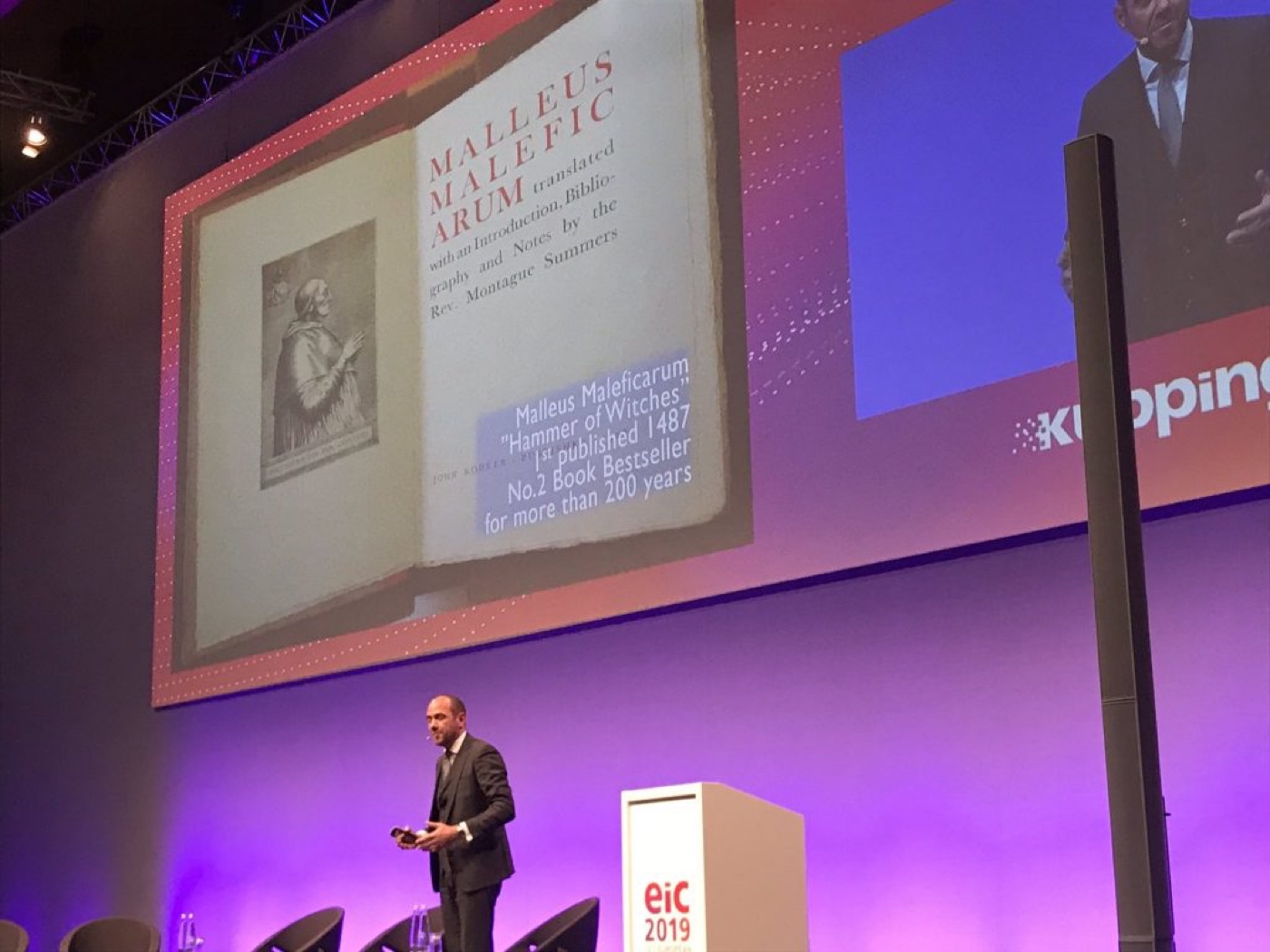
A crew has to share what it sees, speak up early and make decisions together as conditions change. Those habits travel well beyond the boat.
On Black Sea Dragon, our Global Offshore Sailing Team used the voyage to examine what happens when shipping routes for grain come under pressure. In the Andaman Sea, the crew combined offshore sailing with a beach clean-up in support of UNEP’s Clean Seas initiative. The polar voyages took that work from the Southern Ocean to the North Atlantic.
As a sailor with a great passion for our oceans, I strongly believe that man and nature must be in balance. At sea, the first sign that conditions have changed may come from the person on watch. That is a lesson worth taking ashore: make it easy for people to speak while there is still time to act.
Read the original chapter ↗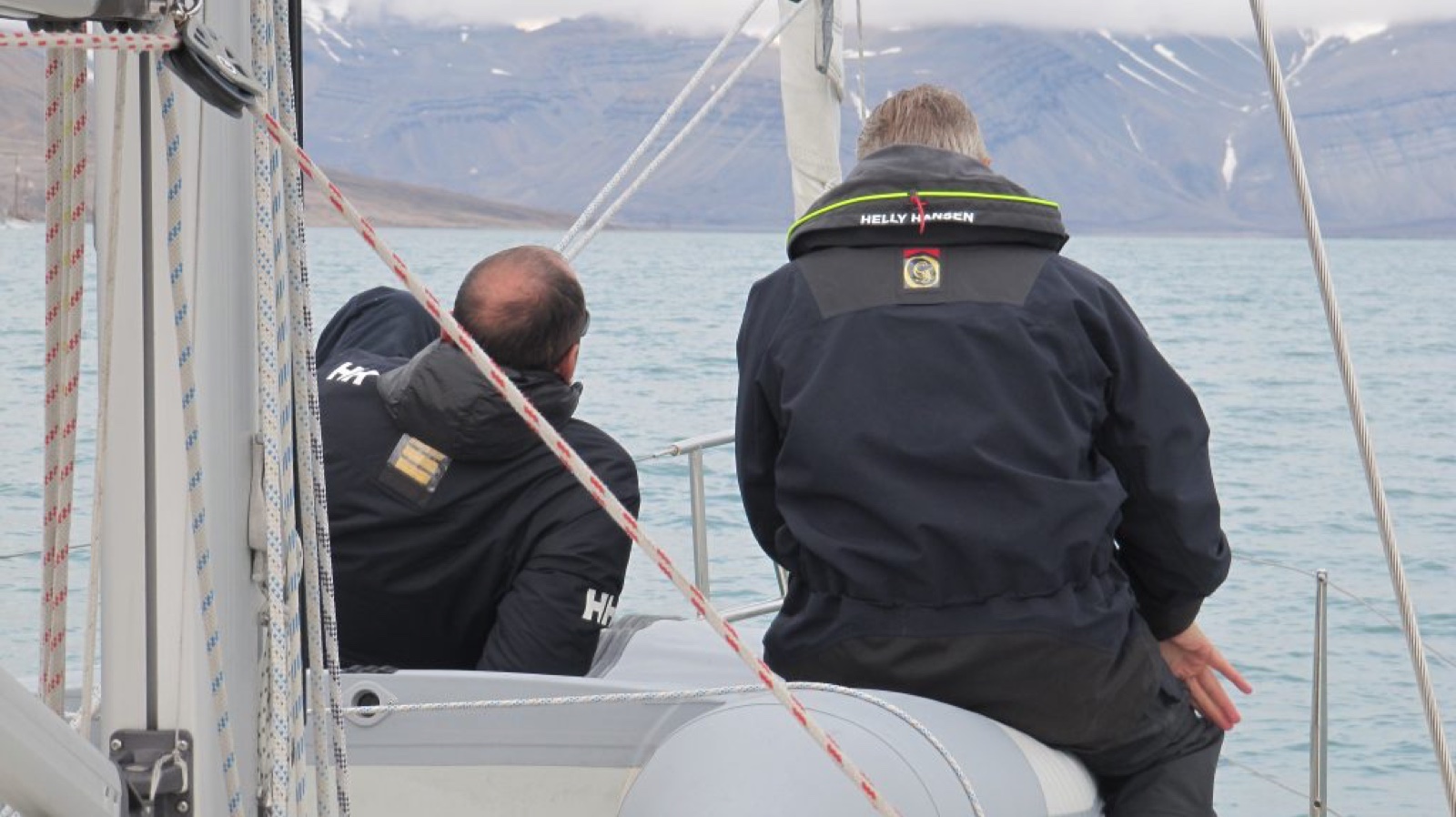
Diplomacy and Society
Shared work gives people a reason to build relationships across languages, institutions and national histories.
Scientists, sailors and diplomats see different parts of the same problem. During Antarctic Blanc, the expedition gave them a concrete subject to discuss: what it takes to protect a place no one country can look after on its own.
I firmly believe in mankind and more in its creative power than in its destructive power. The Antarctic Treaty shows what people can achieve across political divides. Remembering lives lost at sea or working to protect a shared ocean gives people a place to start. Trust grows when they have a reason to keep working together.
Read the original chapter ↗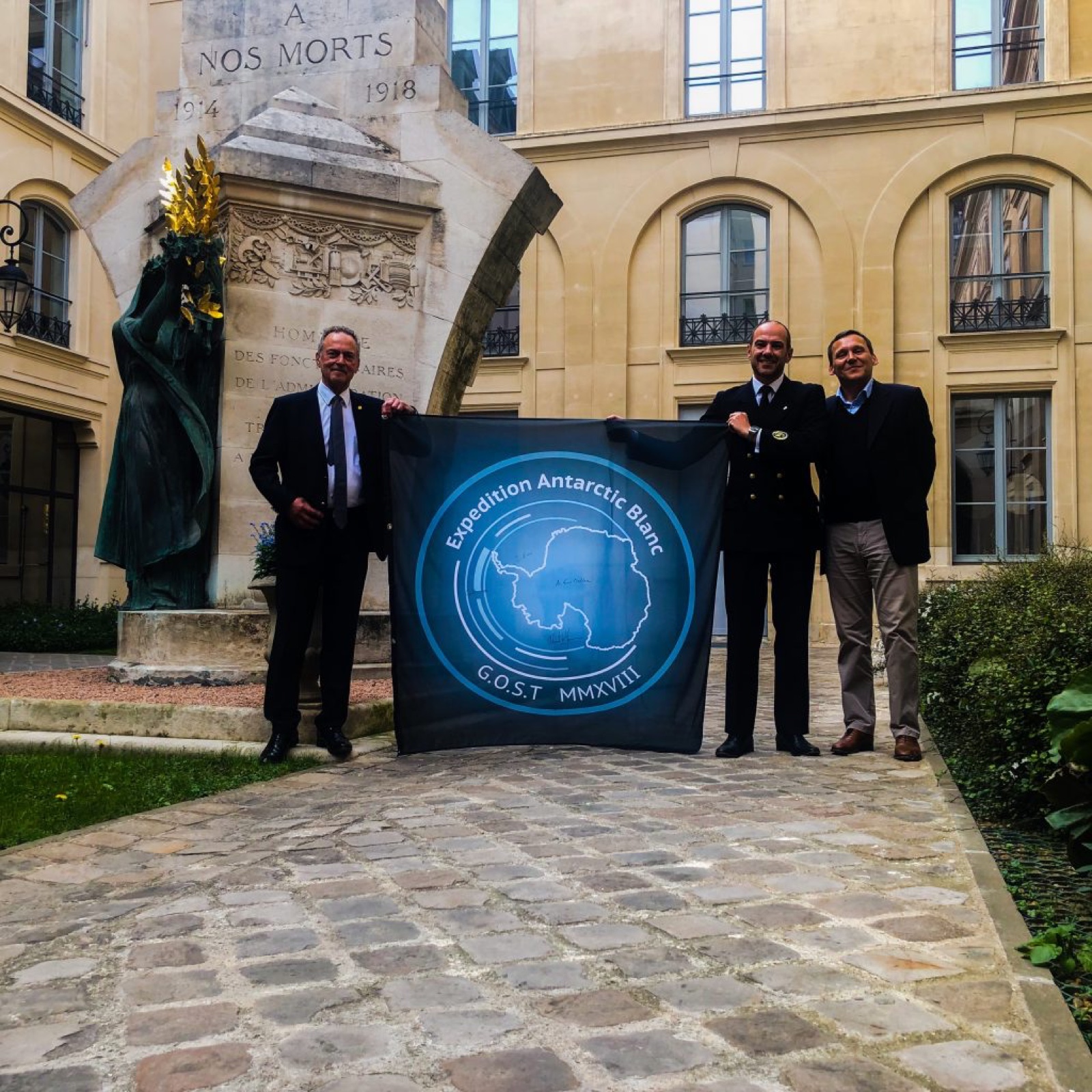
People-to-people diplomacy
Monaco · 2018–2019
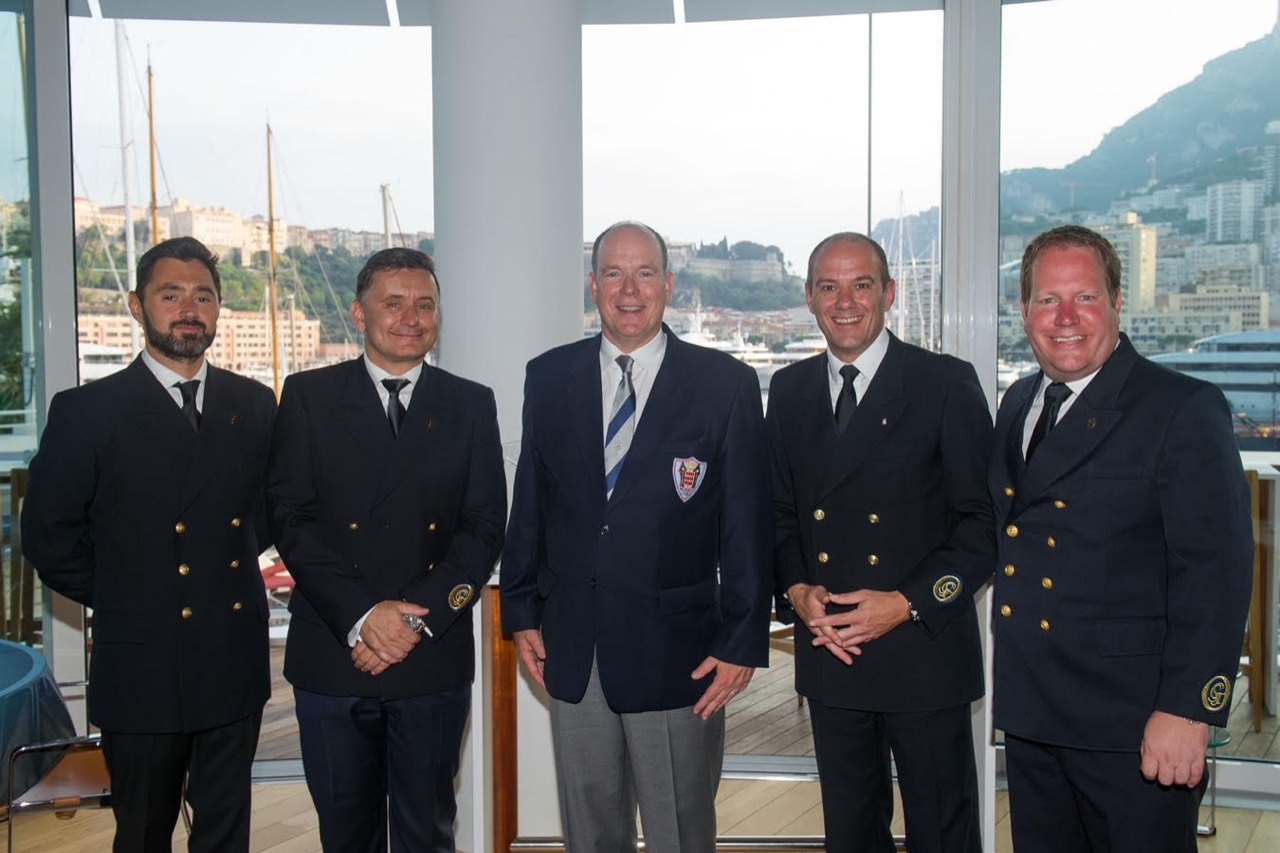
The Antarctic Blanc reception at the Yacht Club de Monaco was followed by a commemoration at sea, where Prince Albert II honoured the oceanographer Prince Albert I.
Vienna · 2019
At the Hofburg, our delegation presented the expedition flag that had represented Austria in Antarctica.
See the Presidency’s photographs ↗Paris · 2019
The expedition flag gave the delegation and ministry a starting point for a conversation about the environmental work behind the voyage.
Jochen Werne is an executive leader, speaker and offshore expedition leader. His experience spans CEO mandates in the DACH region, executive board roles and management positions across FTSE 100, IBEX 35, FTSE MIB and DAX companies. His work examines how technological progress changes business decisions, public trust and the choices available to leaders in regulated markets. He co-founded the Global Offshore Sailing Team, whose expeditions bring together ocean protection, maritime remembrance and people-to-people diplomacy.
 Co-authored byline · Europe and technology
 Reportage · Inside a gold transporter
 ZEIT ONLINE · Gold transport reportage
 Antarctic Blanc TV report · Expedition upload
 Expedition profile
 Podcast interview
 Guest byline
 Transaction coverage
 Guest bylines
 Byline on AI and boards
 Byline on AI in asset management
 Ocean diplomacy interview
In my own words
Essay · 2023
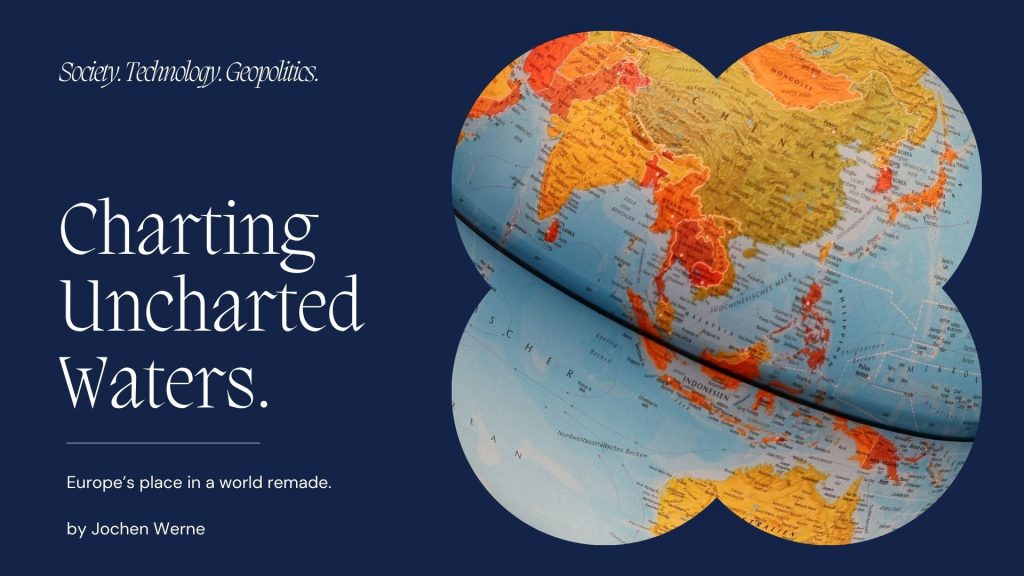
What can Europe learn from earlier shifts in technology and power as it decides where it needs the capacity to act?
Read the full essay ↗Browse podcast conversations ↗
 Watch on the publisher’s site
Fireside chat · In the context of the 2026 Davos summit
A conversation with Marco Zuberbühler on AI, regulation and the role of dialogue in the context of the 2026 World Economic Forum Annual Meeting.
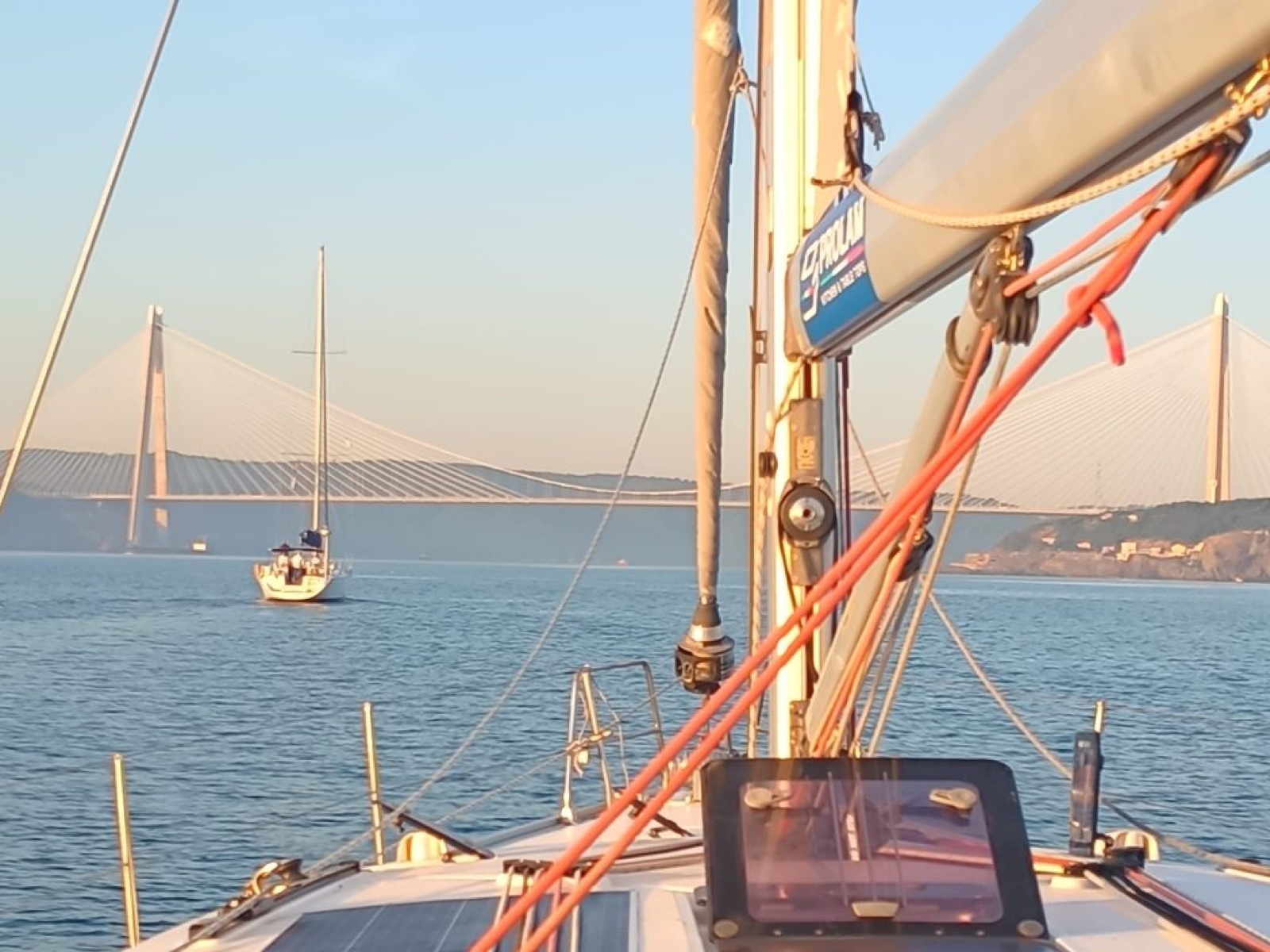 Play expedition film
Expedition film · Black Sea Dragon
From the sailing expedition that explored how disrupted grain routes affect communities far beyond the Black Sea.
Open on YouTubePlay keynote
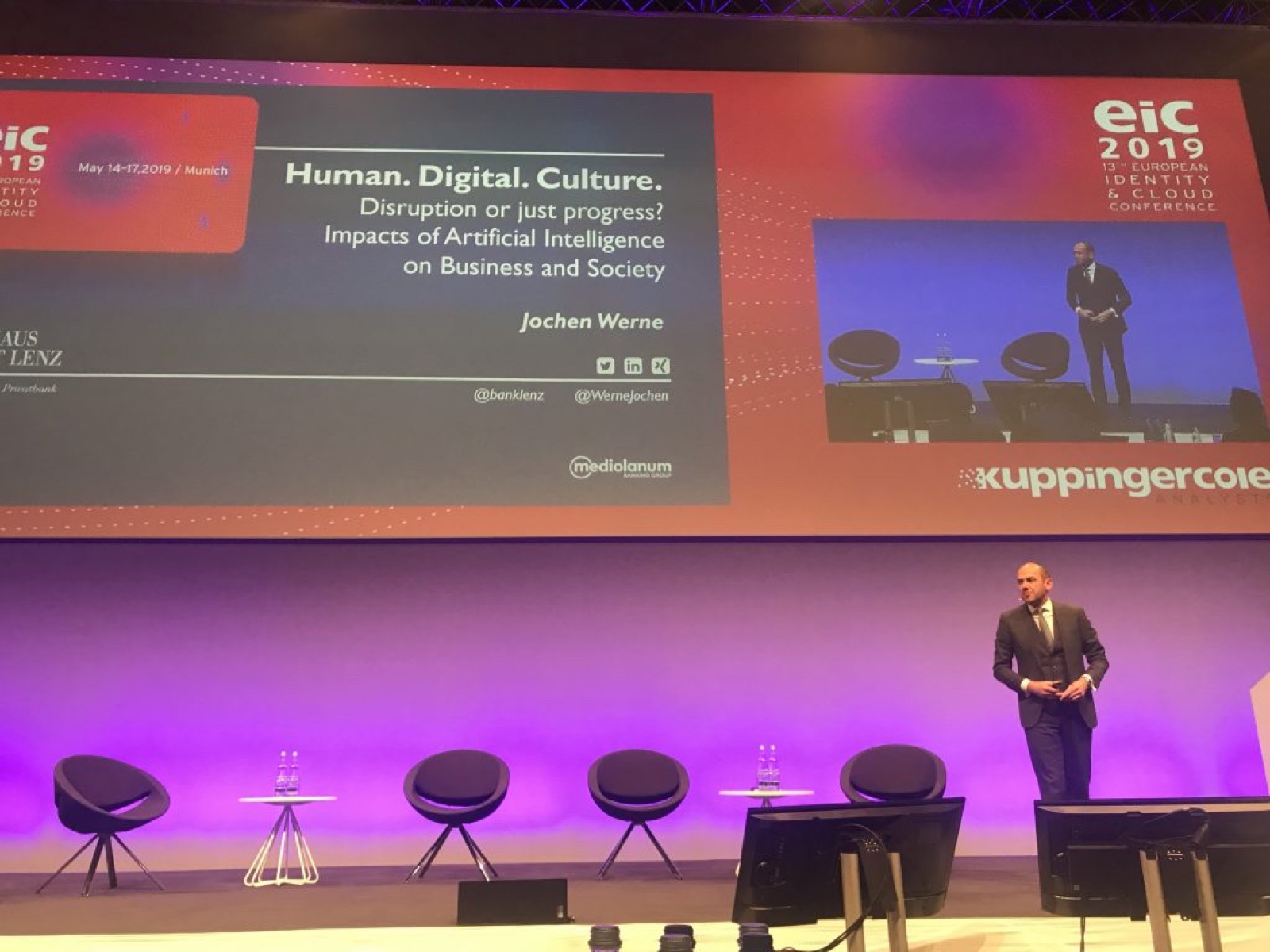
Keynote · European Identity & Cloud Conference
A talk on the consequences of artificial intelligence for organisations and the people affected by their decisions.
Open on YouTube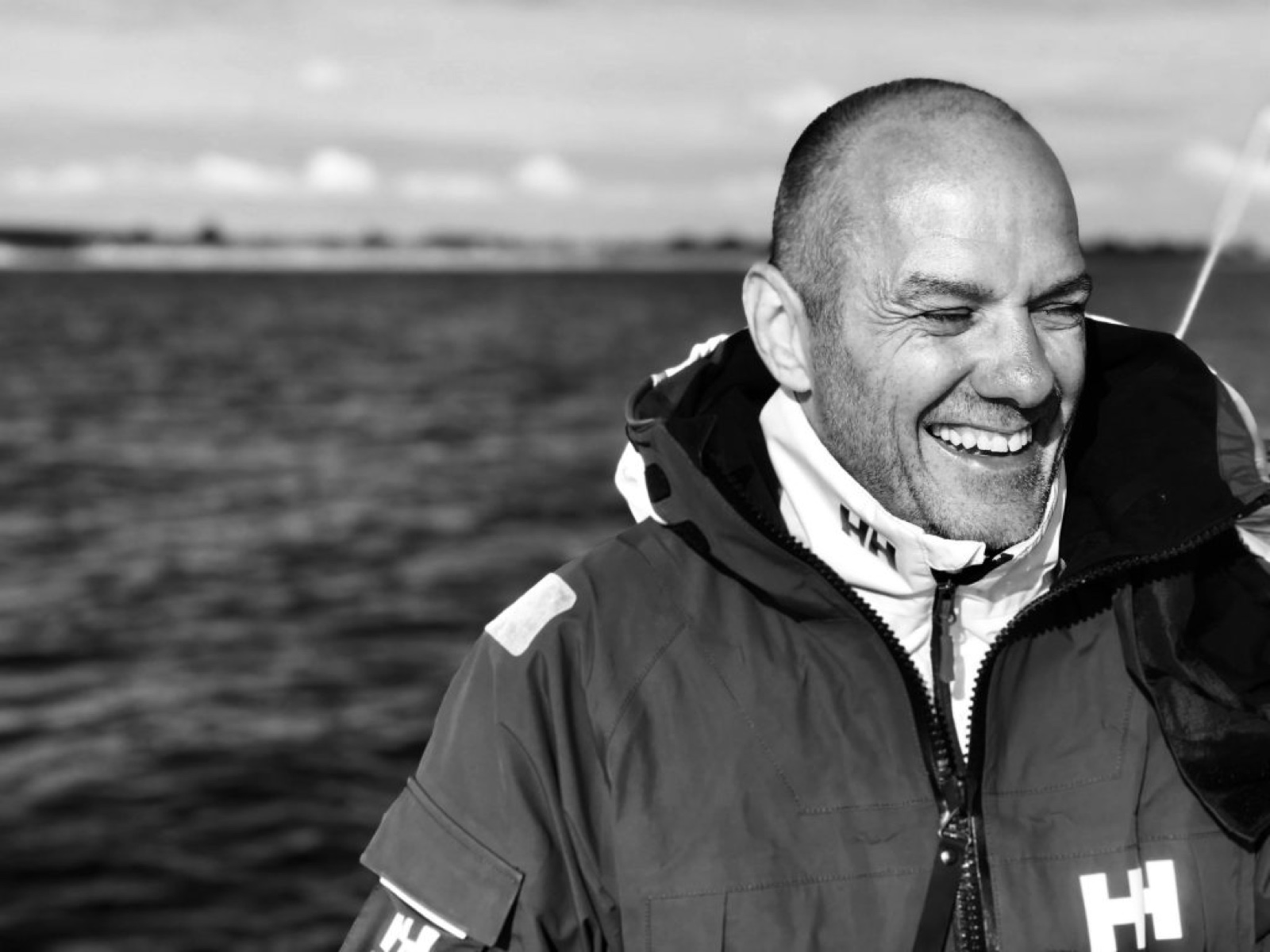 Play podcast
Podcast · Helden der Meere
In German, with Christian Weigand. A conversation about offshore sailing, remembrance and why an expedition can be an act of diplomacy.
Open on SpotifyCapital Wirtschaftspodcast · 2026
With Nils Kreimeier on how AI changes fraud, identity verification and the way businesses earn customers’ trust.
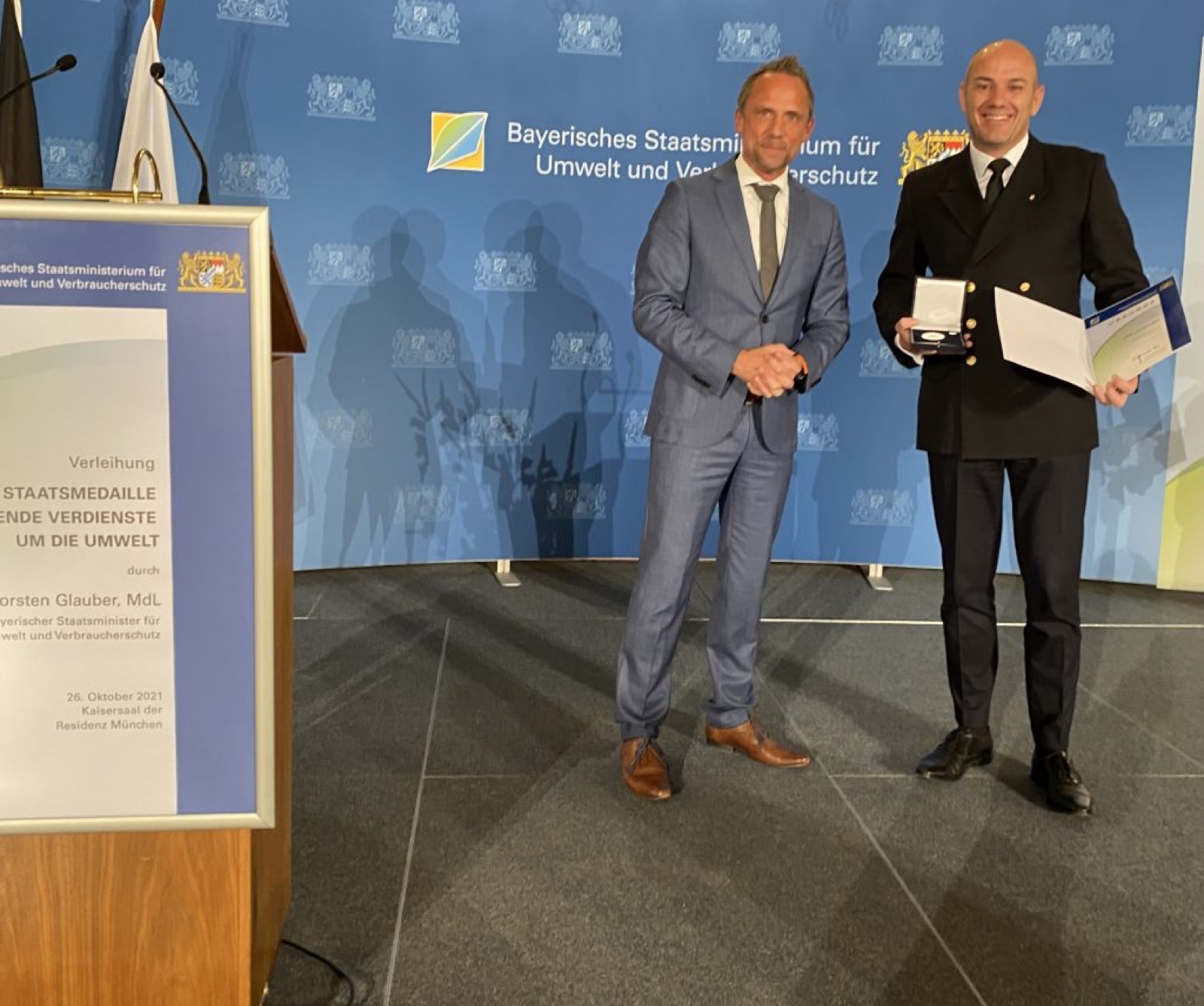
Free State of Bavaria · 2021
Recognised for work promoting environmental awareness and protecting the oceans through expedition sailing.
Read the ministry’s citation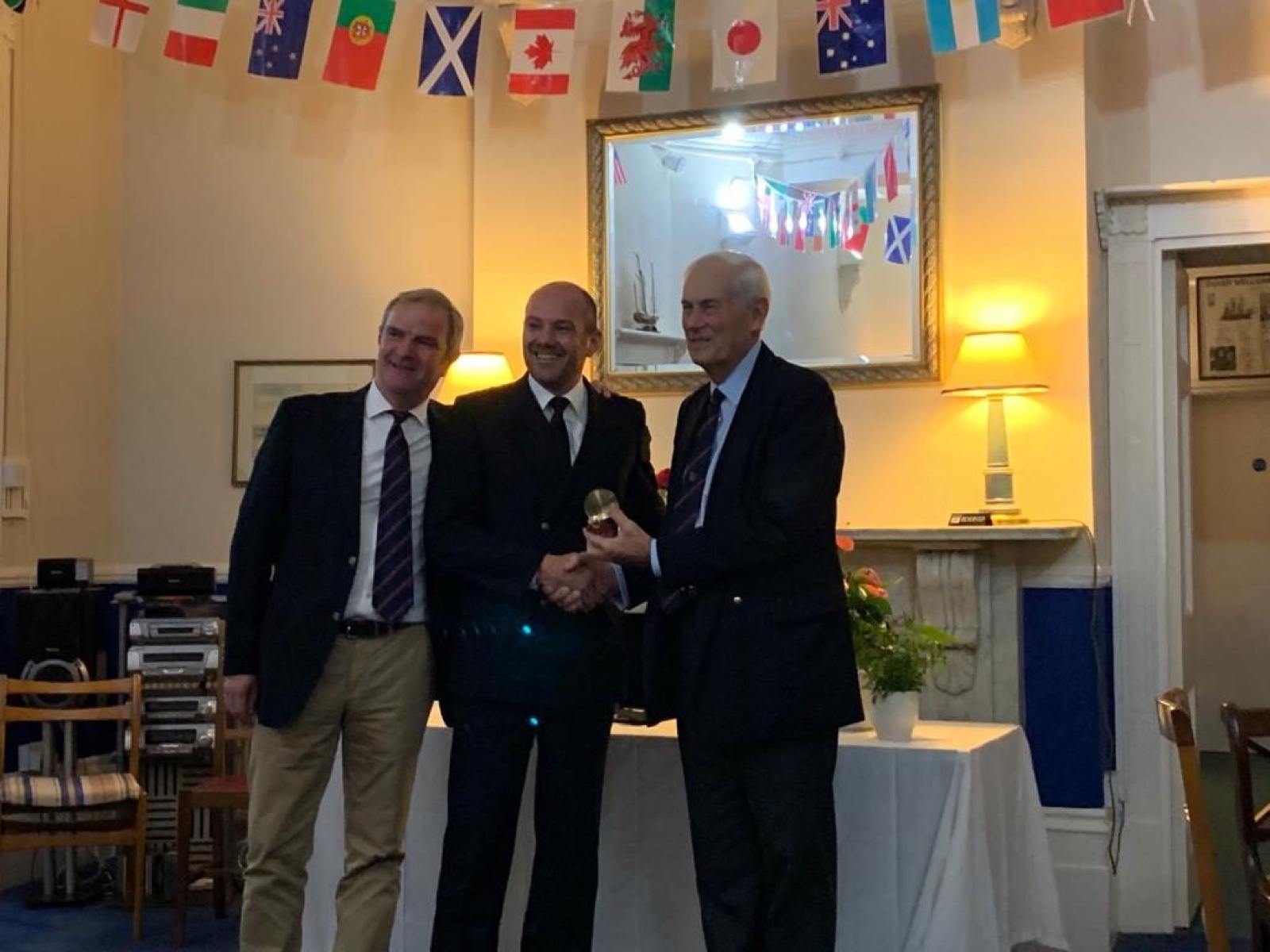
International understanding · 2019
The inaugural prize recognised work across national borders and the contribution of sailing to international understanding.
Read the award accountAI governance · 2026
How reliable data, clear governance and human accountability shape the value of AI.
Read the perspectiveExecutive perspective
Three questions on outcomes, how to measure errors and who remains accountable.
Read the perspective ↗Selected bibliography
Springer chapters, trade-journal articles and contributions to Germany’s AI platform.
Browse publicationsVita
Executive business leader, offshore skipper, public speaker and co-founder of the Global Offshore Sailing Team.
View executive vita & achievements ↗What executives can ask about data quality, fraud exposure and accountability before automating high-stakes decisions.
What offshore crews can teach leadership teams about sharing uncertainty, deciding early and taking responsibility for the outcome.
What expeditions, maritime remembrance and environmental action reveal about sustaining cooperation across borders.
Executive roles · Speaking · Media
Tell me what you’re working on, the decision you face or the audience you want to reach.
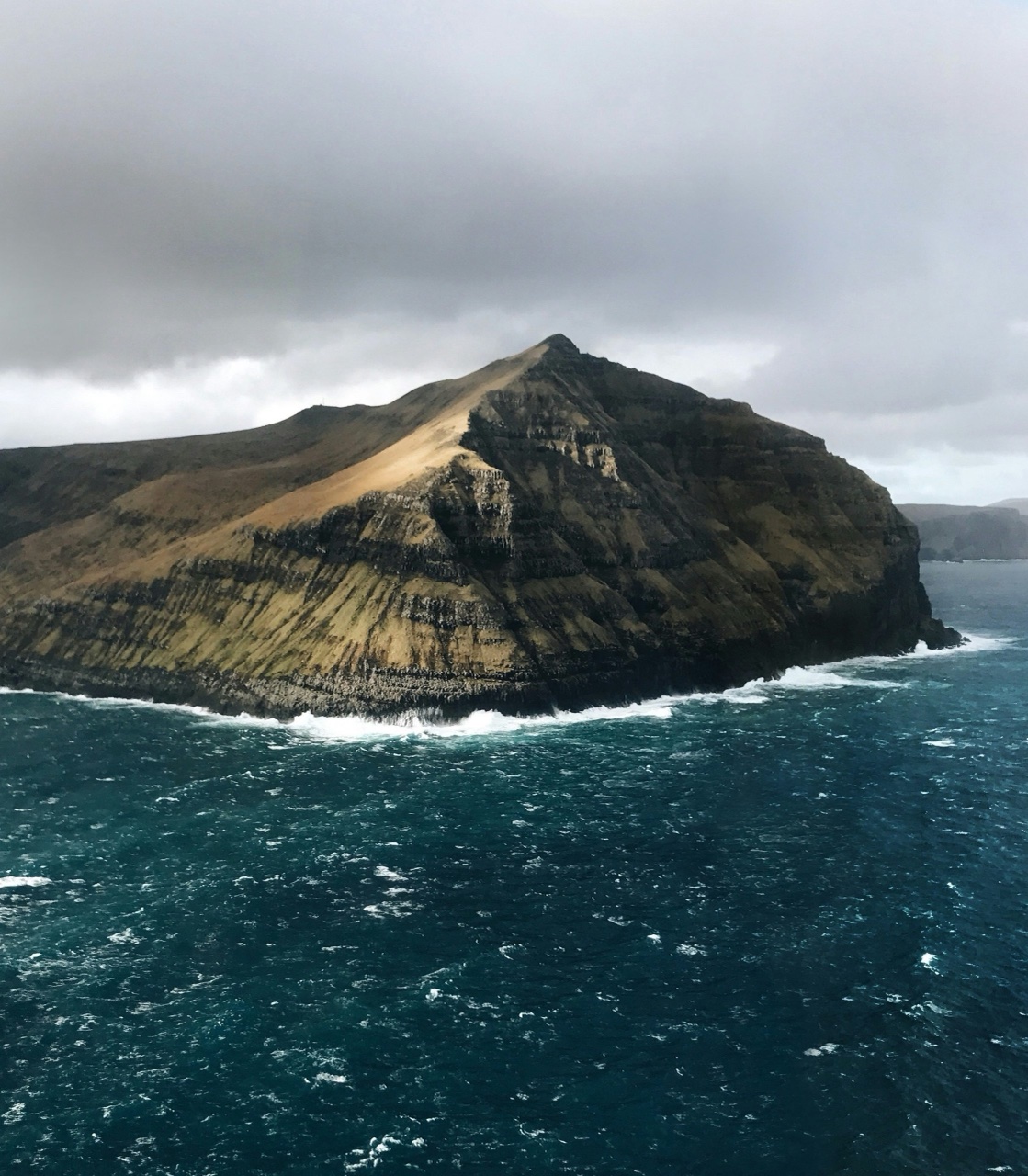
 A New Age of Enlightenment · 2026
 Financial services innovation panel · 2025
 From Antarctica to AI · Centenary · 2022
 Data-driven automotive innovation · 2025
 Keynote · 2026
 Conference talk
 In the context of the 2026 Davos summit